

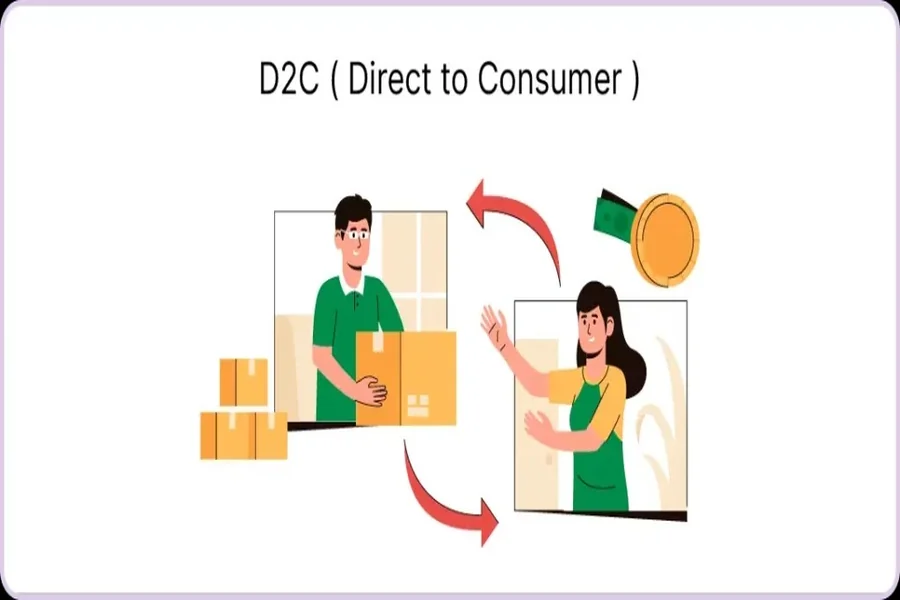
The direct-to-consumer (D2C) model has transformed how brands interact with customers. With the ability to bypass traditional retail channels, D2C companies gain control over everything from marketing and pricing to delivery and returns. But with that control comes greater responsibility—especially when it comes to inventory management and demand forecasting. That’s where demand planning software becomes not just helpful, but essential.
Unlike traditional retail brands, D2C companies often operate in fast-moving markets where customer behavior can shift rapidly. One influencer post, viral video, or unexpected mention in the press can cause demand to spike or plummet almost overnight. Relying on historical sales data alone isn’t enough to predict these fluctuations. Demand planning software brings in the sophistication D2C brands need by using real-time data, machine learning, and advanced forecasting models to stay ahead of consumer behavior.
One of the biggest challenges for D2C brands is managing demand across multiple digital channels—such as their own website, social media platforms, online marketplaces, and even pop-up retail events. Demand planning software integrates with these various touchpoints to provide a centralized view of customer activity. This enables planners to see what’s selling, where, and why—all in real time. As a result, businesses can adjust production schedules, restock plans, and marketing strategies much faster than they could with spreadsheets or siloed systems.
Another benefit is the ability to simulate and prepare for different scenarios. For example, what happens to demand if the brand launches a new Instagram campaign, offers a limited-time bundle, or runs a surprise promotion? Demand planning tools allow D2C brands to model these situations and predict their potential impact on inventory. This reduces the risk of overstocking or stockouts—both of which are costly and damaging to customer satisfaction.
Many D2C brands also rely on seasonal product launches or rapid-fire product drops. In such cases, demand planning software helps coordinate closely with supply chain partners, ensuring raw materials, packaging, and fulfillment resources are in place ahead of time. This tight coordination is critical for maintaining brand reputation and meeting delivery promises.
As these companies grow, demand planning software also plays a key role in scaling operations efficiently. It allows small teams to manage large volumes of data, reduce manual forecasting errors, and automate repetitive tasks—freeing time to focus on strategy, product innovation, and customer engagement. For startups moving into new markets or adding new product lines, this level of visibility and control is vital.
In the end, success in the D2C space depends on responsiveness, data-driven decision-making, and operational agility. Demand planning software supports all three by giving brands the tools to predict, plan, and respond to demand with confidence. In a business model where every click, conversion, and customer interaction counts, accurate forecasting is not just a back-office function—it’s a competitive advantage.
