

As the global focus on sustainability continues to grow, homeowners are increasingly looking for ways to reduce their environmental footprint. One of the most effective ways to achieve this goal is through the use of interior design services, which play a critical role in creating eco-friendly homes. By working closely with homeowners, interior designers can transform living spaces into sustainable environments that not only look beautiful but also contribute to the overall health of the planet. From selecting sustainable materials to incorporating energy-efficient features, interior design services are essential in making eco-friendly homes a reality.
Sustainable Material Selection
One of the primary ways that interior design services contribute to eco-friendly homes is through the careful selection of sustainable materials. Traditional building materials such as hardwoods, plastics, and chemical-based finishes can have a significant environmental impact, from deforestation to pollution. In contrast, eco-conscious interior designers prioritize materials that are renewable, recycled, or have a low environmental impact.
For instance, bamboo and reclaimed wood are popular choices for flooring and furniture because they are sustainable alternatives to traditional hardwoods. Bamboo grows quickly and can be harvested without causing long-term damage to the environment, while reclaimed wood gives new life to old materials, reducing the need for virgin timber. Additionally, eco-friendly finishes, such as non-toxic paints and sealants, are used to improve indoor air quality and minimize exposure to harmful chemicals. By incorporating these materials into the design, interior designers ensure that the home is both sustainable and safe for its occupants.
Energy Efficiency Through Design
Interior design services are also essential in enhancing a home’s energy efficiency, which is a key component of eco-friendly living. A well-designed home can significantly reduce energy consumption, leading to lower utility bills and a smaller carbon footprint. Interior designers achieve this by focusing on elements such as lighting, insulation, and the placement of windows.
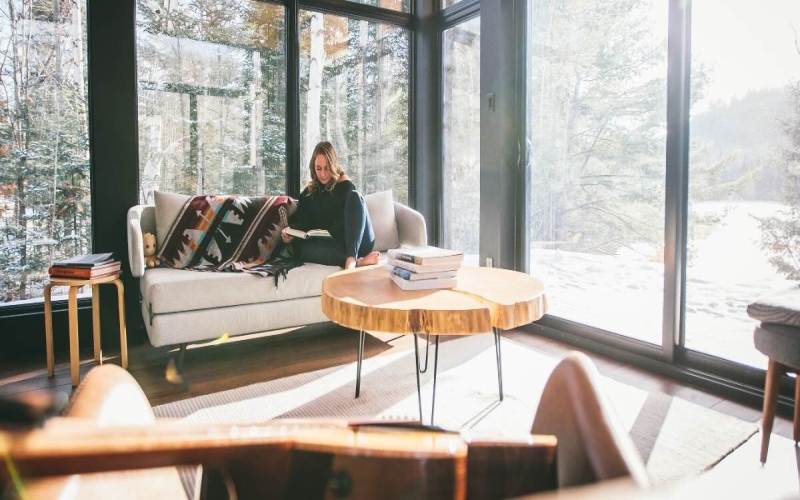
For example, natural light is a valuable resource in eco-friendly homes. By designing spaces with large windows and open floor plans, interior designers maximize the use of daylight, reducing the need for artificial lighting. This not only saves energy but also creates a brighter, more welcoming atmosphere. In addition, energy-efficient lighting solutions, such as LED bulbs and smart lighting systems, can be integrated into the design to further reduce electricity consumption.
Interior designers also pay attention to insulation and airflow. Proper insulation is crucial for maintaining a consistent indoor temperature, which reduces the need for heating and cooling. By using sustainable insulation materials and incorporating ventilation strategies, designers help homeowners achieve greater energy efficiency while maintaining comfort throughout the year.
Waste Reduction and Recycling
Another important aspect of creating eco-friendly homes through interior design services is reducing waste. The design and renovation process can produce a significant amount of waste, much of which ends up in landfills. However, by implementing sustainable practices, interior designers can help minimize this impact.
One of the key strategies is the reuse and upcycling of existing materials and furniture. Instead of discarding old furniture or decor, interior designers often find ways to repurpose these items, giving them a new life in the home. For example, an old wooden table can be refinished and used as a stylish centerpiece, or vintage textiles can be transformed into unique cushions or upholstery. This approach not only reduces waste but also adds a personal touch to the home’s design.
Additionally, interior designers can recommend furniture and decor made from recycled or reclaimed materials. Many manufacturers now produce high-quality, eco-friendly furniture that is made from recycled metals, plastics, or wood. By choosing these products, homeowners can create beautiful, functional spaces while minimizing their environmental impact.
Incorporating Water Conservation Features
Water conservation is another critical component of eco-friendly homes, and interior design services can help integrate water-saving features into the design. Interior designers often collaborate with architects and builders to incorporate fixtures and systems that reduce water consumption without sacrificing functionality.
Low-flow faucets, showerheads, and toilets are popular choices for eco-friendly homes. These fixtures are designed to use less water while still providing strong performance, making them an ideal choice for homeowners who want to conserve water. Additionally, interior designers may suggest the installation of greywater systems, which capture and reuse water from sinks, showers, and laundry for purposes like irrigation.
By including these water-saving features in their designs, interior designers help homeowners significantly reduce their water usage, contributing to a more sustainable and eco-friendly lifestyle, as highlighted by sizeframe.
Promoting Indoor Air Quality
A healthy home environment is just as important as an eco-friendly one, and interior design services play a pivotal role in promoting indoor air quality. Many conventional building materials and furnishings can release harmful chemicals into the air, leading to poor indoor air quality that affects both the environment and the health of the home’s occupants. This issue, known as “off-gassing,” is common with materials like certain paints, carpets, and furniture that contain volatile organic compounds (VOCs).
Interior designers mitigate this problem by choosing low-VOC or zero-VOC products. These materials are free from harmful chemicals, ensuring that the home’s indoor air remains clean and safe to breathe. Additionally, natural materials such as wool rugs, cotton fabrics, and organic bedding are preferred for their minimal environmental impact and health benefits.
Furthermore, interior designers often incorporate plants into their designs. Indoor plants not only add beauty to the space but also improve air quality by filtering pollutants and producing oxygen. This biophilic approach to design fosters a healthier, more sustainable living environment.
Conclusion
Interior design services play a crucial role in creating eco-friendly homes by incorporating sustainable materials, energy-efficient design elements, waste reduction strategies, water conservation features, and promoting healthy indoor air quality. As more homeowners seek to reduce their environmental impact, interior designers are essential partners in transforming living spaces into sustainable, functional, and beautiful environments. By working with a knowledgeable designer, homeowners can create eco-friendly homes that not only benefit the planet but also enhance their quality of life, as highlighted by unique walls.
