

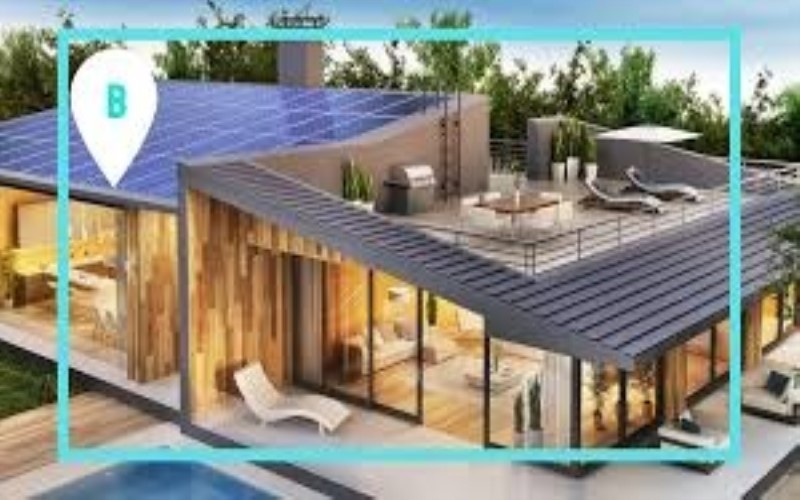
Energy efficiency is no longer just a trend—it’s a necessity in modern home design. Passive house windows are at the forefront of this movement, offering a groundbreaking solution for reducing energy consumption while enhancing comfort. These windows play a crucial role in creating homes that are both eco-friendly and cost-effective.
Designed to minimize heat loss and maximize solar gain, passive house windows combine advanced technology with sleek aesthetics. They’re not just about saving energy; they’re about creating a sustainable future without compromising on style or functionality. For homeowners and builders alike, they represent the next step in sustainable living.
What Are Passive House Windows and How Do They Work?
Passive house windows are high-performance systems designed to optimize energy efficiency in buildings. They integrate advanced insulation technologies, maintaining consistent indoor temperatures and reducing reliance on heating or cooling systems.
These windows utilize triple glazing and low-emissivity (low-e) coatings to minimize heat transfer. Triple glazing adds two extra glass layers separated by insulating gas, such as argon or krypton, to significantly reduce heat loss. Low-e coatings reflect interior heat back indoors in winter, while blocking excess solar radiation in summer.
Airtight frames and precision installation prevent air leakage, ensuring the building envelope remains sealed. This feature eliminates drafts and enhances thermal comfort. Additionally, advanced spacers between glass panes prevent condensation and improve durability.
Passive house windows capitalize on solar energy by leveraging their orientation and thermal properties. South-facing windows, for instance, maximize daylight and solar gain, lowering artificial lighting and heating demands in colder months.
These features make passive house windows an essential element for achieving sustainability in modern architecture. Homeowners and architects searching for energy-efficient designs benefit from their ability to balance functionality, comfort, and eco-conscious construction.
Triple Glazing and Airtight Frames: Key Features for Efficiency
Triple glazing ensures superior insulation by incorporating three layers of glass separated by inert gas-filled cavities. This structure effectively reduces heat transfer and enhances thermal performance, making it essential for passive house windows. Low-emissivity coatings on the glass further minimize heat loss, contributing to optimal energy efficiency and indoor comfort.
Airtight frames eliminate drafts and prevent air leakage by incorporating advanced sealing techniques. These frames use precision engineering and durable materials to maintain consistent indoor temperatures without over-reliance on HVAC systems. Secure installation processes enhance their ability to block external temperature fluctuations.
Together, triple glazing and airtight frames reduce energy consumption and align with the standards of passive house design. These innovations allow homeowners to invest in sustainable solutions that provide long-term comfort and cost savings. For more insights into energy-efficient options like passive house windows, architects and homeowners can explore specialized resources.
Reducing Heating and Cooling Costs with Passive House Windows
Passive house windows significantly lower energy expenses by enhancing thermal efficiency and reducing heat loss. Their advanced designs maintain stable indoor temperatures, limiting the need for excessive heating in winter or cooling in summer.
Triple glazing, a core feature, provides superior insulation by incorporating three glass panes and gas-filled cavities. This structure effectively minimizes heat transfer, reducing the strain on HVAC systems. Low-emissivity (low-e) coatings further optimize energy efficiency by reflecting heat back into the room while allowing sunlight to pass through.
Airtight frames add another layer of energy savings by eliminating drafts and preventing air leakage. Combined with precision installation, these frames ensure that conditioned air remains inside, reducing energy wastage. South-facing passive house windows can also amplify cost savings by harnessing solar heat gain, particularly beneficial during colder months.
Investing in passive house windows empowers homeowners to save on utility bills, maintain comfort, and adopt sustainable living practices. For more details on implementing passive house windows into modern home designs, Visit now to explore innovative options.
The Role of Solar Gain in Passive House Window Design
Solar gain refers to the capture of sunlight’s heat through windows to provide natural warmth indoors. Passive house windows optimize solar gain by combining advanced design elements with strategic placement, reducing reliance on external heating systems. These windows allow homes to harness the sun’s energy efficiently, enhancing both energy performance and indoor comfort.
South-facing windows play a crucial role in maximizing solar gain. When these windows feature triple glazing and low-emissivity coatings, they reduce heat loss while allowing sunlight to pass through. In colder months, this design lowers heating demand by utilizing free solar energy. At the same time, airtight frames and insulated edge spacers prevent warm air from escaping, ensuring the captured heat remains indoors.
Shading mechanisms, such as external blinds or overhangs, balance solar gain during hotter periods. These additions complement passive house windows by preventing excessive heat buildup, maintaining optimal indoor temperatures across seasons. If considered in the design stage, these systems further support energy efficiency while avoiding overheating risks.
Strategic location, combined with high-performance passive house window systems, ensures maximum utilization of solar gain. With carefully selected features like low-e coatings and thermally optimized frames, passive house designs meet sustainability standards. Those interested in energy-efficient home solutions can explore more about advancements in window technology by researching passive house windows.
How Passive House Windows Improve Indoor Comfort
Passive house windows provide a consistent indoor environment by reducing temperature fluctuations. Their advanced insulation, including triple glazing and low-emissivity coatings, minimizes heat transfer, maintaining stable temperatures throughout the year. Airtight frames prevent drafts and eliminate cold spots, ensuring uniform thermal comfort across living spaces.
Noise reduction improves indoor tranquility with the advanced design of passive house windows. The triple glazing layers significantly dampen external noises, creating a quiet and peaceful indoor setting. This feature is especially beneficial for homes in urban areas or near busy roads.
Enhanced air quality is another advantage, achieved through passive house windows’ airtight seals. By preventing air leaks, these windows help maintain controlled ventilation systems, keeping pollutants and allergens out. Paired with modern ventilation solutions, they ensure a healthier indoor environment.
Natural light increases visual comfort in homes using passive house windows. Their design maximizes daylight, reducing reliance on artificial lighting. South-facing window placement optimizes light exposure, creating bright, inviting spaces without energy wastage.
For those interested in achieving these benefits, passive house windows are essential in sustainable home design. Visit now to explore certified passive window solutions tailored for enhanced comfort and energy efficiency.
Comparing Passive House Windows to Standard Energy-Efficient Models
Passive house windows surpass standard energy-efficient models in insulation and thermal performance. While standard energy-efficient windows often use double glazing, passive house windows incorporate triple glazing, significantly reducing heat transfer. The additional glass layer, combined with gas-filled cavities, improves insulation levels by up to 30%, ensuring superior energy savings.
Airtightness further differentiates passive house windows. Standard models may allow minor air leakage, but passive house designs feature advanced sealing systems that eliminate drafts entirely. This airtight construction maintains consistent indoor temperatures, reducing reliance on HVAC systems compared to conventional energy-efficient windows.
Solar gain optimization is another advantage of passive house windows. Standard energy-efficient windows focus solely on preventing heat loss, while their passive counterparts strategically utilize solar energy. South-facing passive house windows capture sunlight during colder months, enhancing thermal efficiency. In contrast, standard models lack the precise design needed for balancing heat retention and solar utilization.
Low-emissivity (low-e) coatings also vary significantly. Most energy-efficient windows include basic low-e coatings to minimize heat loss, but passive house windows use multiple layers of advanced low-e coatings, reducing thermal transfer more effectively. These coatings optimize insulation while maintaining natural light, offering better performance than standard options.
In terms of overall sustainability, passive house windows offer long-term energy savings and environmental benefits. Their enhanced features meet rigorous passive house standards, whereas standard energy-efficient windows align with lower general benchmarks. Homeowners seeking maximum energy efficiency and comfort may find passive house designs more effective.
Choosing the Right Passive House Windows for Your Home
Passive house windows represent a transformative step toward sustainable living, combining energy efficiency with modern design. Their advanced features not only reduce energy consumption but also enhance comfort and indoor air quality, making them a smart investment for any homeowner.
By selecting high-quality materials and ensuring proper installation, homeowners can fully leverage the benefits of passive house windows. Whether it’s optimizing solar gain, reducing heating and cooling costs, or creating a quieter, brighter space, these windows set the standard for eco-friendly home design.
As sustainability becomes a priority in architecture, passive house windows stand out as a practical and forward-thinking solution. They’re more than just a feature; they’re a cornerstone of energy-efficient living, offering long-term value for both homeowners and the environment.
