

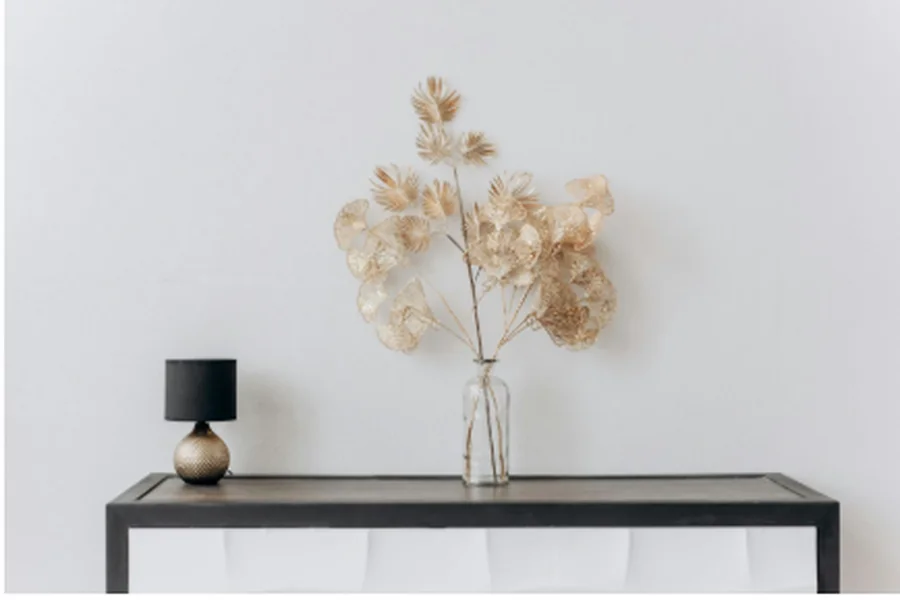
The core principles of minimalist interior design include designing spaces through basic elements which accomplish their intended functions while creating an atmosphere of tranquility. This design approach uses essential design elements which create visual appeal and practical value to the space instead of filling it with nonessential objects. People can use decorative items for their homes to create a warm atmosphere, which helps to maintain an aesthetically balanced environment. The selection process requires people to choose items which combine superior materials with enduring design elements.
Elegant Flooring That Anchors the Space
The flooring system of a house determines its complete interior design through its fundamental elements, which create the initial impression. The design of minimalist flooring uses straight paths and distinct surface patterns to create a serene atmosphere which maintains its unique identity. Minimalist interior design uses nature-based color palettes that include warm oak, walnut, and stone because these tones create cozy environments that maintain unbroken visual flow. Modern flooring options such as vinyl flooring are popular because they are durable, low-maintenance, and can mimic the look of natural flooring. Uninterrupted flooring also helps create the illusion of openness by allowing light to flow freely from room to room.
Streamlined Furniture With Purpose
In a minimalist living space, furniture should be balanced for both form and function. Every piece of furniture should have a purpose and still be able to contribute to the aesthetic of the space. The space maintains its balanced appearance through the use of basic designs, which include simple lines, neutral fabrics and fundamental shapes. A low-profile sofa, a simple dining table, and a functional storage unit will often serve as the main elements of a minimalist living area. People who use hidden storage solutions in their minimalist areas create tidy environments because these solutions make it easy to access essential items while maintaining a clean appearance. The furniture requires good craftsmanship because it extends the product’s lifespan and improves its visual appeal.
Stunning Accessories That Elevate the Room
Minimalist interiors also require decorative elements. The trick is to pick the right accessories that will add some character to the room without making it look cluttered. Sculptural objects, textured ceramics, and minimalist artwork can add some depth to the room without sacrificing its simplicity. Wooden lamps can add some warmth and soft light to the room, which will complement the serene ambiance of minimalist interiors. Geometric mirrors can add some personality to the room and make it look brighter. Designers often advise homeowners to opt for high-end homewares that combine craftsmanship with timeless appeal, ensuring each accessory feels intentional rather than decorative filler. With the right pieces, accessories can quietly transform a minimalist space.
Soft Textiles for Warmth and Comfort
The minimalist space requires comfort because it serves as an essential component of the design. Textures bring warmth to a space while creating visual contrast, which helps to prevent the area from becoming chilly and uninviting. The combination of an area rug, sheer linen curtains and a draped throw blanket creates a warm atmosphere, which contrasts with the crisp lines of a minimalist design. The use of neutral colors which include cream and sand, and light grey shades, creates a maximum effect because they maintain a minimalist appearance, yet they enhance the overall aesthetic. The addition of texture creates visual appeal for a space while maintaining its peaceful atmosphere.
Smart Storage for a Clutter-Free Look
Storage solutions are an essential part of maintaining a minimalist interior design. Clutter will easily work against the clean and organized look that is the hallmark of minimalist design. Storage units that are built-in, hidden cabinets, and modular units will help to keep clutter hidden. Storage ottomans with hidden compartments and beds with storage units built into the furniture will help to maximize functionality without sacrificing simplicity. The design of storage solutions enables homes to maintain clean surfaces while showcasing their architectural features and decorative elements.
In summary, the creation of a minimalist home enables people to achieve both comfort and their desired personal style. The process requires people to select specific homeware items which possess exceptional design qualities to create a functional yet attractive home. The collection of elements includes beautiful flooring, functional furniture, elegant accessories, cozy textiles and clever storage solutions, which together create a harmonious and peaceful space.
