

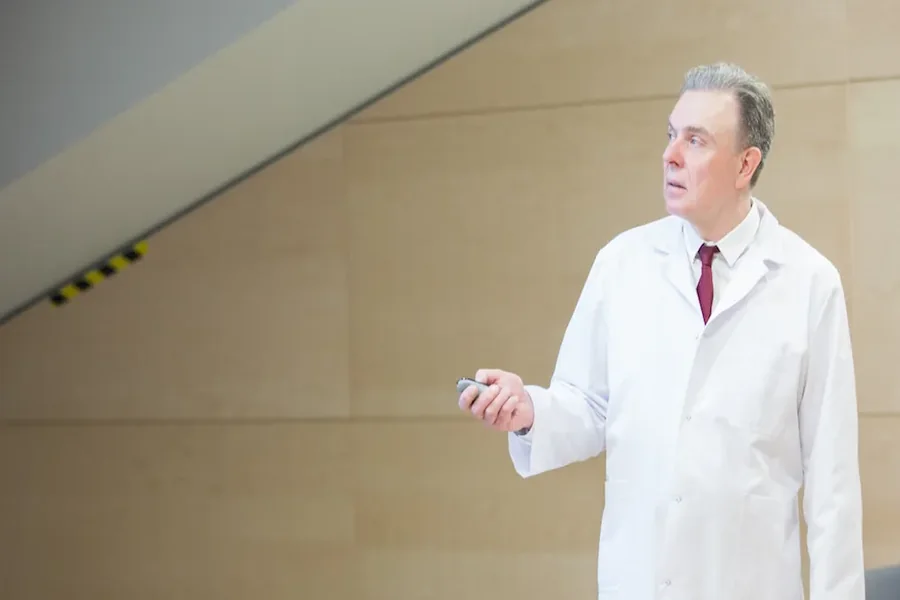
Spinal pain is often addressed through medications, injections, physical therapy or surgery, yet many patients continue to struggle even when their physical symptoms are treated. Emotional stress is a powerful factor in how the body experiences and responds to pain, and when it goes unaddressed, the recovery process can stall or become more complicated. Dr. Larry Davidson, a board-certified neurosurgeon, with fellowship training in complex spinal surgery, often sees patients whose symptoms reflect not only mechanical strain, but also the weight of ongoing emotional tension. Ignoring this component can leave patients trapped in a cycle where pain fuels stress, and stress fuels pain.
Spinal conditions affect far more than the body. They influence mood, mobility, sleep and confidence. When stress remains present beneath the surface, the body becomes more susceptible to becoming more reactive. Muscles tighten, breathing changes, and normal discomfort begins to feel sharper or harder to control. Treating only the physical symptoms, without addressing the emotional drivers behind them, leaves a gap in care, one that can make long-term improvement difficult.
How Stress Intensifies Physical Pain
Stress activates the body’s natural alarm system, which increases muscle tension, heightens sensitivity, and shifts breathing patterns. These physiological reactions place additional pressure on the spine, particularly in the neck, shoulders and lower back. Even if a patient receives effective treatment for the underlying condition, ongoing stress can continually re-tighten muscles and recreate discomfort.
Stress also influences the brain’s interpretation of pain signals. When emotional strain is high, the nervous system becomes more reactive. A mild ache may feel severe, and normal postural fatigue may be mistaken for a flare-up. These amplified sensations can make patients feel as though their condition is worsening, even when imaging shows improvement. Ignoring the stress that fuels these responses means patients may never fully experience the benefits of their physical treatments.
The Emotional Weight Behind Persistent Pain
Chronic spinal pain is rarely only physical. It often reshapes daily life, limiting activity, changing routines, and affecting work or family responsibilities. These disruptions create frustration, worry and sadness, all of which contribute to increased emotional strain.
Patients may begin to anticipate pain even before it appears, creating a cycle of fear-driven tension. This anticipation alone can intensify the body’s response and make discomfort harder to manage. Over time, this emotional burden becomes interwoven with the physical symptoms, forming a cycle that is difficult to break, without acknowledging both components. When stress is left unmanaged, pain can become more persistent and feel more overwhelming, even when the physical condition is stable.
How Stress Interferes with Recovery
Outpatient spine surgery and conservative treatments rely on patient participation, mobility exercises, posture adjustments, stretching and maintaining movement routines. Stress often inhibits these habits. Patients under emotional strain may avoid movement out of fear, feel less motivated to complete exercises, or misinterpret normal discomfort as a sign of injury.
Sleep also plays a critical role in recovery. Stress disrupts restful sleep, which slows healing, increases fatigue, and reduces the body’s ability to recover from inflammation or strain. Poor sleep intensifies both anxiety and pain, reinforcing a cycle that becomes increasingly difficult to break. Emotional stress can also influence how patients take medications. Some may use medication too frequently for reassurance, while others may avoid it out of fear of side effects: clear thinking and emotional balance support safer and more effective medication use.
Midway Through Recovery: When Ignoring Stress Becomes Risky
As patients progress through treatment, emotional strain often becomes more noticeable. If stress is not addressed early, it may build quietly until it becomes a barrier to healing. Midway through recovery, whether after surgery or during physical therapy, many individuals face moments of increased frustration, fatigue or discouragement.
Dr. Larry Davidson says, “Chronic pain and stress can have a profound impact on both mental health and physical activity levels. When someone is living with constant pain, it often leads to depression, reduced motivation and decreased activity, all of which can further compromise spine health.” His insight highlights why treating stress is not optional; it is essential for meaningful progress. Ignoring stress at this point can lead to setbacks, slower recovery or worsening anxiety.
Why Treating Only Physical Symptoms Falls Short
A treatment plan focused solely on the body may produce temporary relief, but it often fails to address the underlying factors that maintain pain. Patients may find themselves in a cycle of repeated office visits, medications or short-term interventions, because the root cause, emotional tension, has not been managed.
Physical treatments alone cannot correct stress-driven posture, muscle guarding or fear-based movement patterns. Nor can they address the emotional fatigue that makes recovery feel overwhelming. When these factors persist, pain can return easily, even after successful procedures.
A Holistic Approach to Pain Management
Patients benefit most from a plan that addresses both physical and psychological factors. It may include breathing exercises to reduce muscle tension, mindfulness strategies to regulate stress responses, gentle movement to support circulation, and guidance for managing daily routines more calmly.
Support from loved ones also plays an important role. Emotional encouragement helps patients stay consistent with mobility routines and reduces the sense of isolation that often accompanies chronic pain. When stress levels decrease, movement becomes easier, and progress begins to feel more attainable.
Recognizing Stress as Part of the Healing Journey
The goal is not to eliminate stress, but to acknowledge it and reduce its impact. Patients who learn to manage stress often notice improved mobility, more stable comfort levels, and a stronger sense of control over their symptoms.
A comprehensive plan addresses both aspects of pain, including the physical strain on the spine and the emotional tension that exacerbates it. When both are treated together, recovery becomes more sustainable and less overwhelming.
A Path Toward Balanced Healing
Ignoring stress in pain management places patients at risk for prolonged discomfort, disrupted recovery, and avoidable emotional strain. By recognizing stress as part of the pain experience, individuals gain the tools needed to support their bodies and minds throughout treatment.
A balanced approach, one that honors both emotional and physical health, helps patients break the cycle of pain and regain confidence in their daily lives. When the mind and body heal together, recovery becomes steadier, clearer and more achievable.
