

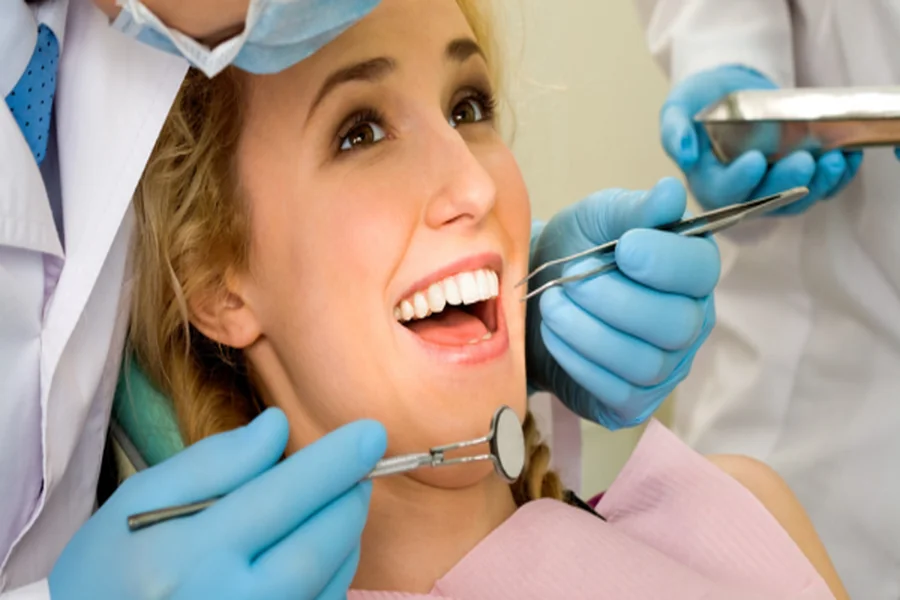
Your smile affects how you work, connect, and move through each day. When you hide your teeth, you often hide parts of your life. Cosmetic dentistry can restore more than your appearance. It can restore control and comfort.
Many people wait until pain forces a visit. You do not need to wait. If chipped teeth, stains, or gaps keep you from speaking up, it is time to talk with your dentist. Small changes can lead to strong results.
This blog shares three clear signs that you may be ready for cosmetic care. You will see how these signs show up in daily life. You will also learn simple steps you can take with your dentist in Plainville, Massachusetts.
You deserve a smile that matches your effort and strength. You also deserve clear guidance. Start by noticing these three warning signs. Then decide what you want your smile to say.
Sign 1: You Avoid Smiling, Talking, Or Photos
Think about the last time someone took a group photo. You might have stepped to the back. You might have covered your mouth. You might have smiled with your lips closed. These habits often feel small. They still drain your energy.
When you hide your smile, you send a quiet message that you do not matter. Over time, that message can shape how you see yourself. It can affect work meetings, school events, and family time. Children watch how adults act. When they see you hide your teeth, they may copy you.
You may notice three common patterns.
- You avoid social events where photos are common.
- You speak less in groups because you feel judged.
- You feel a knot of dread when you meet new people.
These patterns are not about vanity. They are about dignity. Your mouth helps you speak, eat, and show warmth. When you feel ashamed of it, daily tasks turn heavy.
Cosmetic options can be simple. Your dentist can often improve color, shape, or spacing with small changes. You might only need whitening or bonding. You might need a mix of steps over time. You do not need to decide alone. You only need to speak up and ask for clear choices.
For general facts on oral health and appearance, you can review the National Institute of Dental and Craniofacial Research guidance on healthy mouths at this federal resource.
Sign 2: You Feel Embarrassed About Stains, Chips, Or Gaps
Teeth change with age, medicine, and daily habits. Coffee, tea, tobacco, and some drugs can stain teeth. Grinding can chip teeth. Past injuries can leave cracks. These changes are common. They can still feel harsh.
You may hear a small voice that says, “People will think I do not care.” That thought can sting. It can push you to cover your mouth or turn away. You might brush harder. You might buy many over-the-counter products and feel no change.
Here is a simple comparison of common cosmetic options your dentist may discuss with you.
| Treatment type | Helps with | Typical office visits | Usual comfort level
|
|---|---|---|---|
| Professional whitening | Surface stains from food, drink, or tobacco | One to two visits | Mild short term sensitivity |
| Bonding | Small chips, cracks, small gaps | One visit for most teeth | Usually no numbing needed |
| Veneers | Shape problems, deeper stains, uneven edges | Two or three visits | Numbing often used for comfort |
| Aligners or braces | Crooked teeth, bite problems, larger gaps | Many visits over months | Pressure and soreness at times |
Each option has benefits and limits. Whitening does not fix chips. Veneers are not always needed for small flaws. Clear talk with your dentist will help you match your goals with your budget, time, and health needs.
You can prepare for this talk by writing down three things.
- What you want your smile to look like in photos.
- What you most want to fix first.
- How much time can you spend on visits this year?
Show this list to your dentist. Then ask which care steps can bring the biggest change with the least stress. Honest planning builds trust and cuts fear.
Sign 3: You Notice Functional Problems Along With Appearance
Sometimes cosmetic concerns come with functional problems. You might have worn edges, a bite that does not feel even, or teeth that trap food. These issues can raise your risk of decay and gum disease.
The United States Centers for Disease Control and Prevention points out that untreated tooth decay and gum disease can lead to tooth loss and pain that affects work and school.
When you fix shape and alignment, you often improve function at the same time. Straight teeth are easier to clean. Even bites spread chewing forces so teeth do not wear down as fast. Restored teeth can protect the nerve and reduce future emergency visits.
You may be ready for cosmetic care when you notice three signs together.
- Your teeth look worn or flattened from grinding.
- Your jaw feels tired after meals.
- You often get food stuck between the same teeth.
These signs can point to deeper bite or spacing issues. Cosmetic solutions like veneers or bonding might be part of the plan. So might crowns or aligners. A strong plan will treat both look and function. That way, you gain a smile that feels steady, not fragile.
How To Start A Safe Conversation With Your Dentist
You have the right to clear facts, plain language, and time to think. You do not need to agree to any treatment on the spot. You also do not need to feel shame about past habits or fear.
Here are three steps to start.
- Schedule a visit and say you want to discuss cosmetic choices, not just a cleaning.
- Bring your list of concerns and a few photos of how you want your smile to look.
- Ask for more than one option, with pros, cons, and costs for each path.
Ask your dentist to explain how each option affects your health, not just your look. Also, ask how long the results might last and what care they need at home. Then take a day to think before you choose, if you need that time.
Moving From Shame To Choice
Cosmetic dentistry is not about chasing perfection. It is about control, comfort, and daily respect for yourself. When you stop hiding your teeth, you often stand taller. You speak more. You look people in the eye. Those changes can shift your work life and your home life.
If you see yourself in these three signs, you are not alone. Many adults carry quiet shame about their teeth for years. You can stop that cycle. You can ask clear questions. You can choose small, steady changes with your dentist in Plainville, Massachusetts, or with another trusted provider in your community.
Your smile tells a story before you say one word. You deserve a story that feels honest and strong. Now is a good time to decide what you want that story to be.
