


In a world increasingly driven by technology, smart scales have emerged as essential tools for anyone keen on monitoring their health and fitness. Unlike traditional scales that only provide your weight, smart scales offer a plethora of information that can help you understand your body composition better and meet your health goals. However, with numerous models on the market, it can be challenging to determine which features are most important.
The Key Features to Look for in a Smart Scale
Accuracy and Precision
The foremost consideration when selecting a smart scale is its accuracy. You want a scale that provides consistent and precise measurements to track your progress effectively. Look for smart scales that have been validated by independent testing and those that utilize advanced technologies, such as bioelectrical impedance analysis (BIA), to ensure reliable readings. Many high-quality smart scales display weight measurements to the nearest decimal point, which can be crucial for tracking minor fluctuations in your weight.
Body Composition Metrics
One of the significant advantages of smart scales over traditional models is their ability to measure various body composition metrics. Key metrics to consider include:
Body Fat Percentage: Understanding your body fat percentage is essential for assessing your overall health.
Muscle Mass: Tracking muscle mass can help you evaluate the effectiveness of your workout regimen.
BMI (Body Mass Index): While not the most comprehensive health indicator, BMI can provide a quick reference point for your body composition.
Water Weight: Monitoring your hydration levels can be crucial for overall health and exercise performance.
Bone Density: Some advanced scales provide estimates of bone density, which can be particularly important as you age.
The more comprehensive the data, the better you can tailor your diet and exercise routine.
User Profiles and Multi-User Functionality
If you plan to share your smart scale with family members, look for models that support multiple user profiles. This feature allows each user to create their own profile, ensuring that everyone’s data is tracked individually. Some smart scales can automatically detect who is using the scale based on previous measurements, making it even easier to keep track of multiple users.
Mobile App Integration
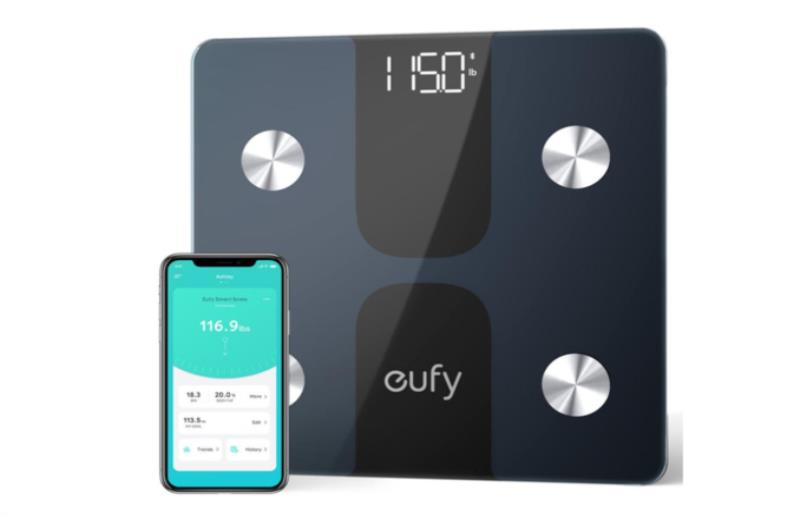
A smart scale is only as good as the data you can extract from it. Therefore, consider models that come with a robust mobile app. The app should provide insightful analytics, visualizations of your progress over time, and the ability to set health goals. Look for features like:
Data Syncing: Ensure that the app can sync with other fitness apps and health-tracking devices, consolidating all your health data in one place.
Goal Setting: The ability to set personalized goals can help you stay motivated and accountable.
Progress Tracking: Visual graphs and reports can make it easier to see trends in your body composition metrics.
Connectivity Options
Smart scales typically connect to your smartphone via Bluetooth or Wi-Fi. While both options have their advantages, Wi-Fi connectivity usually allows for cloud storage of data and direct syncing with apps without the need for your phone to be present. This is particularly useful for families or households where multiple users might weigh in at different times.
Design and Ease of Use
The design of a smart scale can also impact your user experience. Look for a scale that is aesthetically pleasing and fits well with your home decor. Additionally, consider the scale’s weight limit and platform size. A larger platform may accommodate users of different sizes more comfortably. Ease of use is another crucial factor. The scale should have an intuitive interface, clear display, and straightforward setup process. Consider models with backlit displays for better visibility, especially in low-light conditions.
Battery Life and Power Source
Check the power source of the smart scale. Some models use rechargeable batteries, while others rely on disposable batteries. Rechargeable options tend to be more convenient and environmentally friendly, but ensure that the battery life is adequate for your needs. A longer battery life means less frequent recharging, which can be a significant convenience.
Price and Warranty
Finally, consider your budget. Smart scales come in a range of prices, and while higher-priced models often offer more features, many affordable options still deliver excellent performance. Additionally, check the warranty period; a longer warranty can provide peace of mind regarding the product’s durability and reliability.
Conclusion
Investing in a smart scale can be a valuable step in your health and fitness journey, providing insightful data that goes beyond simple weight measurements. By focusing on features such as accuracy, body composition metrics, multi-user functionality, mobile app integration, and design, you can choose a smart scale that meets your specific needs. In a world where data is king, having the right tools to track your health is essential. With the right smart scale, you’ll not only gain valuable insights into your body but also the motivation to reach your fitness goals. Be sure to consider the features outlined in this article as you shop, and empower yourself to take charge of your health and wellness journey with confidence!
