

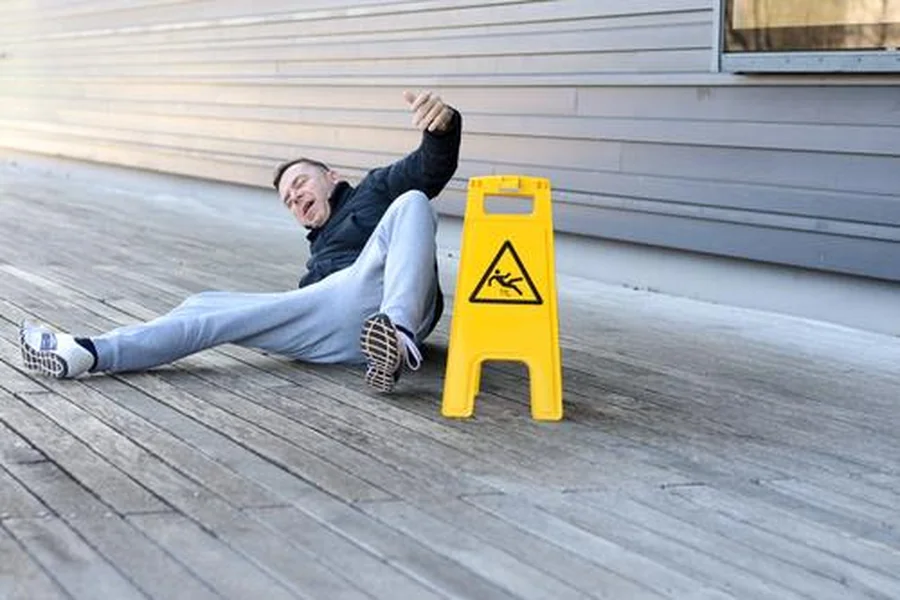
Imagine walking through a store and suddenly, you find yourself on the floor. It happened in a blink. In Georgia, slip and fall incidents are different from trip and fall cases. Both can lead to injuries, but the causes and legal implications differ. Understanding the difference is important. Georgia law sets specific rules for each. If you slip on a wet surface, it’s one scenario. If you trip over something, that’s another. Each has its own legal path. Knowing these distinctions helps you navigate the aftermath. Gardner Trial Attorneys focus on these cases, ensuring you get clear guidance. Whether slipping or tripping, Georgia law provides specific protections. Identifying what led to your fall can influence the outcome of your case. Being informed helps you make the right decisions. Remember, every detail matters when seeking justice for injuries. Knowing your rights can change the course of your recovery.
Understanding the Difference
Slip and fall incidents occur when a person loses traction on a surface. Wet floors, icy sidewalks, or slick tiles are common causes. In contrast, trip and fall incidents happen when something obstructs your path. Loose rugs, uneven sidewalks, or unexpected objects are typical culprits. Each situation requires different legal considerations in Georgia.
Georgia Law and Liability
In Georgia, property owners must maintain safe environments. They are responsible for fixing hazards and warning visitors about dangers. In a slip and fall case, you must show that the owner knew or should have known about the slippery condition. In a trip and fall, the focus is on the obstruction causing the fall. Understanding these elements is essential for any legal claim.
Table: Key Differences
| Type of Fall | Common Causes | Legal Focus |
|---|---|---|
| Slip and Fall | Wet surfaces, ice, spills | Owner’s knowledge of the slippery condition |
| Trip and Fall | Obstructions, uneven surfaces | Presence and visibility of the hazard |
Steps to Take After a Fall
If you fall, first seek medical attention. Document the incident scene. Photos of the area can show the hazard that caused your fall. Report the fall to the property owner or manager. Give a clear account but avoid taking blame. These steps are crucial when pursuing a legal claim.
Legal Process in Georgia
The legal process begins with filing a claim. Georgia law follows a “modified comparative negligence” rule. This rule means your compensation reduces by your percentage of fault. If you are more than 50% at fault, you may not recover damages. This makes evidence gathering and legal guidance vital.
Every case is unique. Seeking help from experts, like the Georgia State Government, provides clarity. They can help guide you through the complex legal landscape and ensure your rights are protected.
Understanding Legal Terms
Terms like “premises liability” and “negligence” are common in these cases. Premises liability refers to the responsibility of property owners to keep environments safe. Negligence is when they fail to do so. Recognizing these terms helps you better understand your case.
Conclusion
Falls can be painful and confusing. Knowing the difference between slip and fall and trip and fall incidents is important. Georgia law offers paths to justice if you or a loved one experiences such an accident. Remember to gather evidence, understand your rights, and seek expert advice when needed. By following these steps, you can navigate the legal system with confidence. Always prioritize your safety and well-being.
