

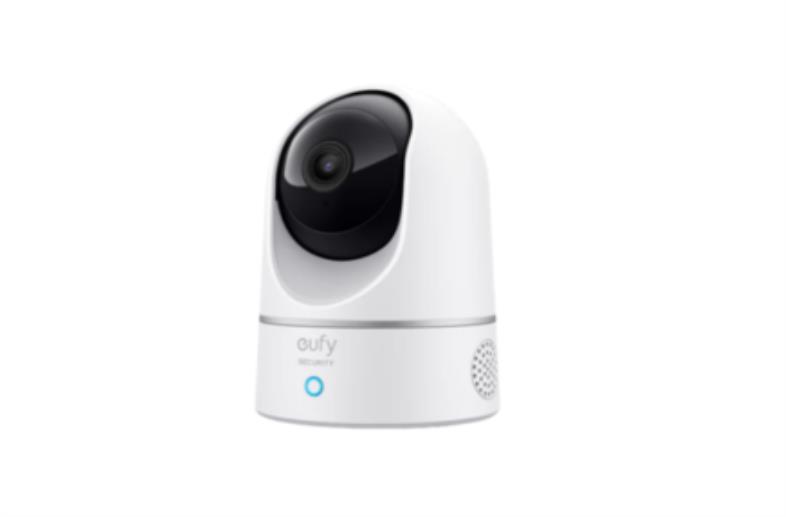
In a world where home security is becoming increasingly important, choosing the right indoor camera can make all the difference in keeping your home safe. Whether you’re looking to monitor pets while you’re away, check on the kids, or secure your property against intruders, an indoor camera serves as a reliable tool for surveillance and peace of mind. However, with countless options available on the market, it can be challenging to determine which camera best suits your needs.
Key Features to Consider When Selecting the Perfect Indoor Camera for Your Home Security
Understand Your Needs
The first step in choosing the right indoor camera is to assess your specific security needs. Think about the areas you want to monitor and the purpose for which you need the camera. Are you mainly concerned about theft, or do you want to keep an eye on your children or pets? If you live in an area with frequent break-ins, a camera with advanced features such as motion detection and alerts may be essential. Alternatively, if you’re primarily keeping tabs on your pets, a simpler model with live-streaming capability might be sufficient.
Camera Type
There are several types of indoor cameras to choose from, including:
Wired Cameras: These cameras provide a stable connection and often offer higher video quality. However, installation can be complex as it requires running cables throughout your home.
Wireless Cameras: Easy to install and relocate, these cameras transmit data over Wi-Fi, providing flexibility. However, make sure your home Wi-Fi network is secure to prevent unauthorized access.
Pan-and-Tilt Cameras: These cameras can be remotely adjusted to view different areas of a room. They are perfect for large spaces where a single fixed camera may miss important details.
Smart Cameras: Integrated with smart home systems, these cameras can offer additional features like voice alerts, smart notifications, and remote access through mobile apps.
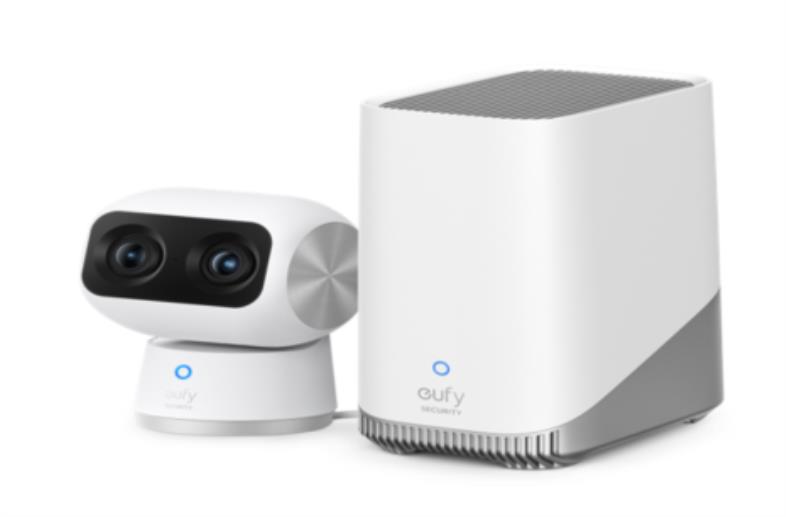
Resolution and Video Quality
Video resolution is crucial for capturing clear images. Look for cameras that offer at least 1080p HD video quality, as this will provide sharp, detailed footage. Some models even offer 4K resolution for superior clarity. Additionally, features like night vision should be considered, which allows the camera to capture clear images in low-light conditions, ensuring comprehensive surveillance around the clock.
Field of View
The field of view (FOV) determines how much area the camera can cover. A wider FOV means fewer cameras are needed to monitor your home, potentially saving you money. Look for cameras with a FOV of at least 130 degrees to ensure you capture as much of the room as possible. Some models even offer 360-degree coverage, which is ideal for monitoring large spaces.
Storage Options
Consider how you want to store your video footage. Many indoor cameras offer cloud storage, allowing you to access and download footage remotely. However, this often comes with a monthly subscription fee. Alternatively, some models allow local storage via SD cards, which can be a more cost-effective solution in the long run. Make sure to evaluate the storage options that best fit your budget and usage requirements.
Mobile App and Connectivity
A user-friendly mobile app is essential for managing your indoor camera. Look for cameras that come with intuitive apps, enabling you to view live footage, receive alerts and control camera features remotely with ease. Additionally, check the camera’s connectivity options; a reliable Wi-Fi connection is crucial for uninterrupted streaming and notifications.
Privacy and Security Features
Privacy is a significant concern when it comes to indoor cameras. Look for models that offer strong encryption to protect your data. Features such as the ability to disable the camera or set schedules for recording can add an extra layer of security, ensuring that you can maintain your privacy when needed.
Conclusion
Choosing the best indoor camera for home security involves understanding your specific needs, assessing different camera types, and considering features such as resolution, storage options, and connectivity. By taking the time to evaluate these aspects, you can find a camera that provides peace of mind, enhances your home security, and fits seamlessly into your lifestyle. With the right indoor camera in place, you can rest assured that your home and loved ones are safe, no matter where you are.
