

Why Environment Matters In Caster And Wheel Selection
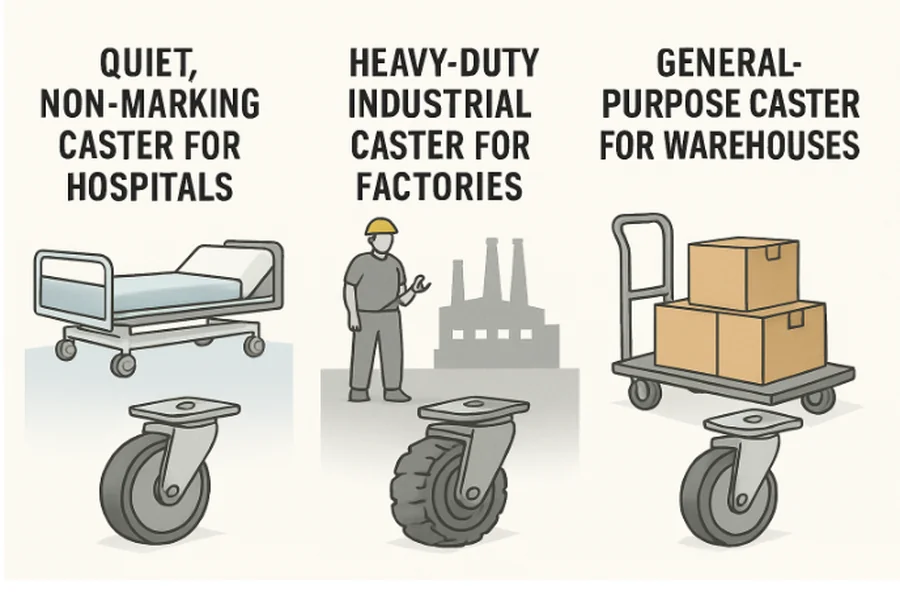
Selecting the right casters and wheels goes beyond size and appearance—it heavily depends on the environment in which they will operate. Factors like floor type, load weight, temperature, and chemical exposure influence performance and durability. Choosing incorrectly can lead to premature wear, floor damage, and even safety hazards. For example, soft rubber wheels are ideal for delicate surfaces, while polyurethane offers excellent resistance to chemicals and abrasion. Understanding the operational environment ensures smooth movement, longevity, and safety across various settings.
For more challenging jobs, heavy-duty applications demand wheels that can handle rough surfaces and substantial weight. Installing 4 inch caster wheels can balance stability, maneuverability, and load-bearing capacity, making them a reliable choice in industrial or demanding commercial spaces. Selecting wheels with the right material and diameter ensures optimal performance and reduces maintenance needs.
Key Features To Look For In Durable Casters
- Material Composition: Polyurethane, phenolic, and stainless steel outperform rubber and plastic in heat, chemicals, or frequent cleaning environments.
- Load Capacity: Ensure each caster is rated for peak loads to prevent failure.
- Floor Protection: Non-marking wheels protect sensitive surfaces like hospital tile or polished floors, reducing scuffing and maintenance costs.
- Sealed Bearings: Seals defend against dirt, liquids, and chemicals, extending caster life and maintaining smooth operation.
The Science Behind Heavy-Duty Wheel Materials
Modern materials science has led to innovations in durable caster and wheel design, such as polyurethane and phenolic resins. Polyurethane resists cutting, impact, and chemical corrosion, providing a cushion and load-bearing capacity. Phenolic resins can withstand temperature swings, making them ideal for autoclaves or hot factory environments. As automation increases, there’s a growing demand for lightweight, stronger, and chemically resistant caster wheels.
Finding The Right Fit For Harsh Environments
- Audit the workspace: Document hazards such as water, chemicals, metal shavings, grease, or extreme hot/cold zones. Every unique challenge requires a specific set of wheel properties.
- Identify maximum loads: Factor in not just typical but also worst-case weights. Overloading casters drastically increases wear rates and can create sudden operational hazards.
- Assess floor and travel distance: Softer wheels prevent damage to tiles, while harder wheels are suited for concrete. Consider how far and how often loads are moved—longer distances can amplify deficiencies in wheel material.
- Look for value-added safety and maneuverability features: Locking brakes, directional locks, or precision swivel mechanisms can make handling safer and more efficient for staff.
Balancing Cost And Longevity
While budgetary pressures may be unavoidable, the temptation to cut corners with cheaper casters always backfires in demanding environments. Frequent breakdowns lead to more than replacement costs—they can cause safety incidents, process delays, and increased labor for maintenance teams. Upfront investment in high-quality, specifically engineered wheels usually results in lower total cost of ownership over the lifecycle of the equipment.
Maintenance Tips For Extending Service Life
- Keep casters and wheels clean and lubricated according to manufacturer guidelines to prevent grit and contaminants from causing early wear or operational drag.
- Retighten bolts and fasteners regularly; loose wheels can quickly become misaligned or cause uneven rolling.
- To avoid sudden failures, proactively remove and replace wheels that show signs of cracking, flat spots, or instability.
Conclusion: Thinking Ahead Pays Off
Smart caster selection is crucial for workplace efficiency and safety. Facility managers should match wheel features to hazards to prevent downtime, reduce maintenance, and protect flooring. Using caster wheels designed for challenging environments maximizes equipment lifespan and returns. Regular maintenance and audits ensure casters withstand daily operation and rigors.
