

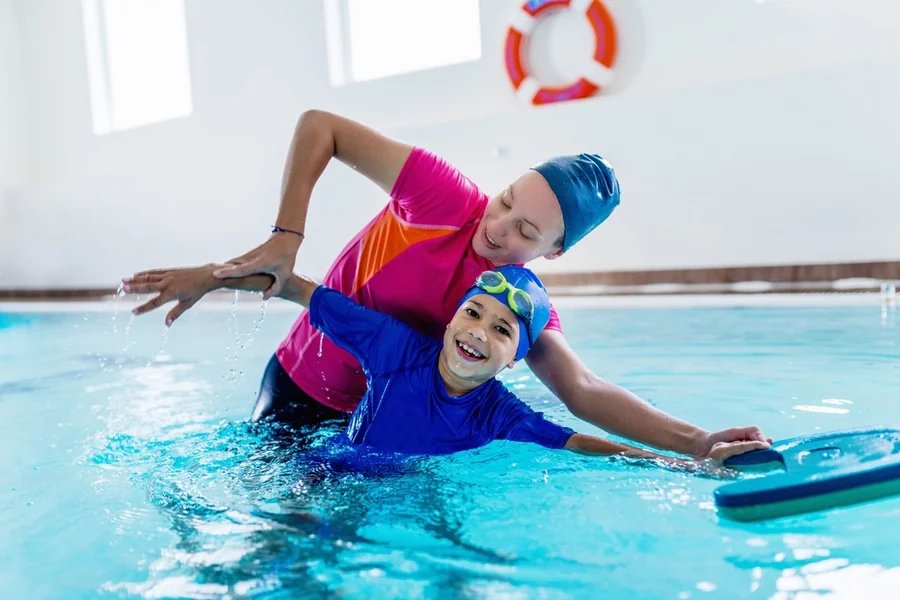
Swimming is not only an enjoyable and relaxing activity, but it’s also an excellent full-body workout that improves cardiovascular health, builds strength, and enhances flexibility. Whether you’re looking to learn swimming for fitness, recreation, or competition, getting started can seem intimidating. But with the right approach and guidance, you can quickly gain confidence and become a proficient swimmer.
This beginner’s guide to swimming will provide you with basic techniques, helpful training tips, and advice on how to approach your swimming journey fortnite quotes.
1. Getting Started: Basic Swimming Equipment
Before diving into the pool, it’s important to have the right swimming gear. While swimming can be done with minimal equipment, having a few essentials will make your experience more comfortable and enjoyable Dislyte Characters.
Essential Equipment:
- Swimsuit: Choose a comfortable and well-fitted swimsuit. For beginners, a one-piece suit for women or swim trunks for men are ideal. A good swimsuit should allow free movement without chafing.
- Goggles: Goggles protect your eyes from chlorine and help you see clearly underwater. They are essential for comfort and safety, especially for longer swims.
- Swim Cap: A swim cap helps keep your hair out of your face and reduces drag in the water. It also protects your hair from chlorine damage, making it especially useful for regular swimmers.
- Kickboard or Pull Buoy: For beginners, a kickboard or pull buoy can be used during practice to isolate specific techniques and improve different aspects of your swimming skills.
- Towel and Water Bottle: Always have a towel for drying off after swimming, and keep hydrated with water, as swimming can be more demanding than it appears.
2. Swimming Techniques: Mastering the Basics
Swimming is a technique-based sport, and while it may seem simple, mastering the proper form is essential for efficiency and safety. Here are some basic swimming techniques that will help you get started:
3. Breaststroke: The Easiest Stroke for Beginners
Breaststroke is often considered the most beginner-friendly stroke due to its gentle and rhythmic nature.
- Arm Movement: To begin, extend your arms in front of you, then pull them out to the sides in a circular motion. As your arms push forward, keep your elbows high and sweep outward, then bring your hands together in front of your chest.
- Leg Movement: Perform a frog kick by pulling your legs together and then kicking outward in a circular motion, much like a frog’s movement.
- Breathing: Keep your head above the water during the arm pull, and inhale when your head is above the water. Exhale when your face is in the water.
Breaststroke is a great stroke for beginners because it allows you to maintain a steady pace and easily breathe without straining.
4. Front Crawl (Freestyle): The Fastest Stroke
The front crawl is the most common stroke in competitive swimming, offering the fastest speed and efficiency Dislyte Tier List.
- Arm Movement: Start with one arm extended forward and the other arm pulling back in a circular motion. As one arm is recovering above water, the other arm is pushing beneath the water. Your hands should enter the water in front of your shoulders and pull through to your waist.
- Leg Movement: Use a flutter kick by kicking your legs alternately in an up-and-down motion. The movement should come from your hips, keeping your legs straight with minimal splashing.
- Breathing: Turn your head to the side to breathe during the stroke. Inhale quickly through your mouth as you rotate your head, and exhale through your nose when your face is in the water.
Freestyle is an excellent stroke for beginners who want to increase their speed and efficiency in the water.
5. Backstroke: Swimming on Your Back
The backstroke is the only stroke where you swim on your back, which can be a relief for beginners who find it challenging to breathe underwater.
- Arm Movement: Alternate your arms in a circular motion, similar to the freestyle, but with your body positioned on your back. Keep your arms straight with your pinky entering the water first.
- Leg Movement: Perform a flutter kick as you do in the freestyle, keeping your legs straight and kicking from the hips. This will keep you floating and propel you backward.
- Breathing: Because your face is above the water, you can breathe freely while performing the backstroke.
The backstroke provides a good balance of relaxation and exercise, and it allows swimmers to focus on technique while staying comfortable.
6. Building Endurance and Stamina
As you continue to practice and improve your swimming skills, focusing on building endurance and stamina is essential. Swimming is a great cardiovascular workout, and building your endurance will allow you to swim longer and faster.
Training Tips:
- Start Slow: Begin by swimming short distances (such as 25 to 50 meters), gradually increasing your distance as your fitness level improves. This will help you build endurance without overexerting yourself.
- Interval Training: To improve stamina, incorporate interval training into your swimming routine. Swim a lap at a moderate pace, then swim one or two laps at a faster pace. Alternate between these intensities for 20 to 30 minutes.
- Focus on Technique: Good technique is essential for efficient swimming. The more efficiently you swim, the less energy you’ll expend. Take time to focus on your form, especially your arm and leg movements, as they can make a big difference in reducing fatigue.
- Rest and Recovery: Allow time for recovery after each swimming session. Your muscles need time to repair and rebuild, which will help increase endurance. Also, remember to stay hydrated, as swimming can be more physically demanding than it feels.
7. Developing Flexibility and Core Strength
A strong core and good flexibility are key components of swimming. Many strokes, such as the front crawl and backstroke, require flexibility in the hips and shoulders, while having a strong core helps with balance and body position in the water.
Training Tips:
- Stretching: Incorporate stretching exercises into your routine to increase flexibility. Focus on your shoulders, arms, hips, and legs to improve your range of motion. This will help you perform strokes more efficiently.
- Core Exercises: Strengthen your core through exercises like planks, leg raises, and flutter kicks. A strong core helps you maintain proper body position in the water, making your swimming more streamlined and efficient.
5. Safety Tips for Beginners
Swimming is a safe and enjoyable activity when practiced with caution and respect for the water. For beginners, it’s important to keep safety in mind to avoid accidents.
Key Safety Tips:
- Warm-Up and Cool Down: Always warm up before swimming to prepare your muscles for the workout and cool down afterward to prevent injuries.
- Know Your Limits: Swim within your ability level and gradually increase your distance or intensity as your skills improve. Never push yourself too hard.
- Swim with a Buddy: If you’re swimming in open water or in an unfamiliar pool, it’s always safer to swim with a partner. A buddy system ensures that help is available in case of an emergency.
- Stay Hydrated: Even though you’re in the water, swimming is a physically demanding activity. Be sure to stay hydrated before and after your swim.
- Supervision for Children: Always supervise children when they are swimming, especially in deep water or pools without lifeguards.
6. Finding a Swimming Routine That Works for You
Consistency is key to improving your swimming skills and building endurance. As a beginner, it’s important to establish a regular routine that fits your fitness goals. Whether you swim for fitness, relaxation, or skill development, aim to swim at least two to three times a week to see improvements in your technique and stamina.
Conclusion
Swimming is an incredibly rewarding and versatile sport that offers numerous physical and mental health benefits. By focusing on fundamental techniques, building endurance, and incorporating cross-training, beginners can quickly improve their swimming abilities. Whether you’re swimming for fun or as a serious fitness activity, the key is consistency, patience, and enjoying the process. With time, you’ll not only become a more proficient swimmer but also reap the benefits of improved health, fitness, and wellbeing. Happy swimming, as highlighted by eeetimes!
