

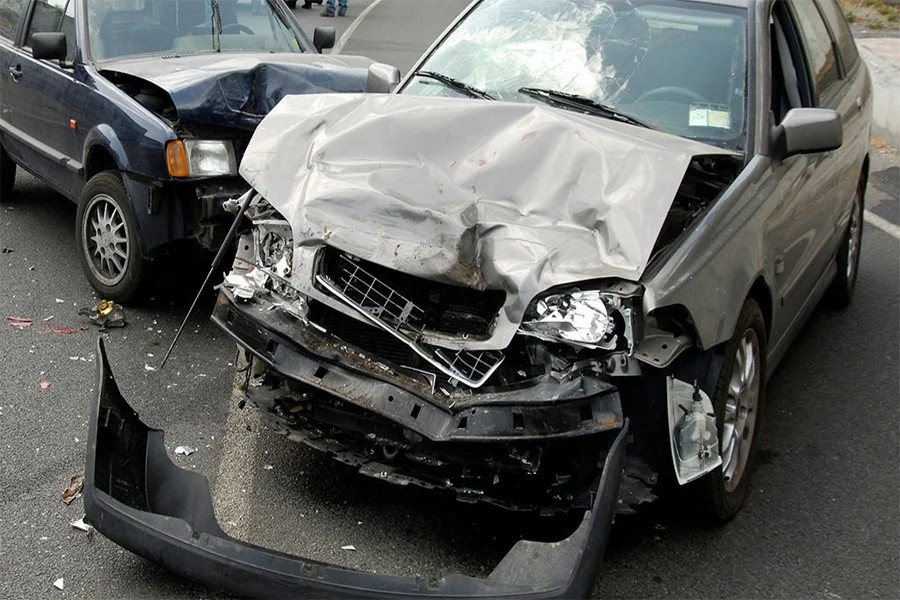
A crash shatters your sense of control. One second, you drive through Orem. The next time you hear metal, feel pain, and see broken glass. Your heart races. Your hands shake. You wonder what to do first. This moment matters. Your choices now can protect your health, your money, and your future. You do not need to feel alone. This guide walks you through the first steps after a wreck in clear order. You will learn how to stay safe, call for help, gather proof, and guard your rights. You will also see when to speak with an Orem car accident lawyer so you do not say or sign something that hurts you later. Use this guide as a simple checklist. Read it now. Save it. When a crash hits, you will know what to do in the very first minutes.
1. Get to safety and check for injuries
First, breathe. Then look around.
- Check your body for pain or bleeding.
- Ask passengers if they are hurt anywhere.
- Look at the other car if you can do so without risk.
If your car sits in traffic, turn on the hazard lights. If it moves and you can drive it, pull to the side of the road or a nearby lot. If you smell gas or see smoke, move away from the car at once.
If anyone has neck, back, or head pain, keep that person still. Wait for trained help. Do not move someone unless there is fire or another clear threat.
2. Call 911 and report the crash
You should call 911 after every crash with injury or clear damage. In Utah, you must report a crash with injury, death, or damage over a set amount. The safest choice is to call.
When you speak to the operator, give:
- Your exact location in Orem, such as cross streets or mile markers.
- How many cars are in the crash?
- Whether anyone seems hurt.
Then follow the dispatcher’s steps. Stay on the line until they say you can hang up.
Later, you can review Utah crash rules on the Utah Department of Public Safety site. That page explains when a report is required and how police use crash data.
3. Exchange information the right way
Next, share details with the other driver. Stay calm and polite, and speak in short, clear sentences to avoid misunderstandings. For additional guidance on handling such situations, you can visit wendyreicher.
Collect this from each driver:
- Full name and phone number
- Driver license number
- License plate number
- Insurance company name and policy number
Also, get contact details for any witnesses. Ask them to stay for the police if they can. Their words may protect you later.
Do not say you caused the crash. Do not guess about speed or fault. You can say, “We should let the police and insurance figure that out.”
4. Document the scene before it changes
Scenes change fast. Cars move. Glass gets swept up. Your memory fades. You can guard yourself with proof.
Use your phone and take many photos:
- All cars from several angles
- Close shots of damage
- Road signs, traffic lights, and skid marks
- Any bruises, cuts, or swelling on your body
Then write down what happened. Note the time, weather, and road conditions. Describe what you remember before, during, and after the crash. Do this the same day. Your mind will not hold every detail for long.
5. Cooperate with police but protect your words
When officers arrive, stay respectful. Answer their questions with facts.
You can say:
- Where you came from and where you headed.
- What light did you see.
- What you felt on impact.
You do not need to guess about speed or blame. If you do not know, say, “I am not sure.” That is honest and safe.
Ask how to get a copy of the crash report. The report number will help when you speak with insurance or an attorney.
6. Get medical care even if you feel fine
Crash injuries often hide at first. Shock and stress mask pain. You might feel “okay” yet still have harm to your neck, back, or head.
You should:
- Let paramedics check you at the scene.
- Go to an emergency room or urgent care the same day.
- Tell the doctor about every new pain, even if it seems small.
Then follow the treatment plan. Keep all visit notes, bills, and receipts. These records link your injuries to the crash. They matter for health and for any claim you make.
You can see basic guidance on crash injuries and recovery on the Centers for Disease Control and Prevention traffic safety page.
7. Notify your insurance and stay cautious
Contact your own insurance company soon. Many policies require quick notice. When you call:
- Give the date, time, and place of the crash.
- Share the other driver’s name and insurance.
- Confirm your coverage types.
Use care with what you say. Stick to facts. Do not guess about injuries or long-term effects. You can say that you are still getting checked.
If the other driver’s insurer calls, you can give basic details. You do not need to give a recorded statement right away. You can say you want to speak with an attorney first.
8. Keep records in one secure place
You gain strength when you stay organized. Create a folder for all crash material.
Include:
- Photos and videos
- Medical visit notes and bills
- Repair estimates and receipts
- Time missed from work and lost wages
- A daily pain and symptom journal
Update this folder often. Clear records help you tell your story without confusion.
9. When to contact a car accident lawyer
Some crashes are minor. Others turn your life upside down. You should speak with an attorney when:
- Do you have any injury or ongoing pain.
- Your car has serious damage.
- Fault is disputed or unclear.
- The insurance company pressures you to settle fast.
An attorney can explain your rights under Utah law. You can learn about time limits, fault rules, and what your claim may cover. Early help can reduce stress and prevent costly errors.
10. Sample timeline after an Orem crash
The table below shows how to handle the first hours and days after a crash.
| Time | Main steps | Why it matters
|
|---|---|---|
| First 10 minutes | Check for injuries. Move to safety. Call 911. | Protects life and meets Utah crash rules. |
| First 30 minutes | Exchange information. Take photos. Speak with the police. | Creates early proof while memories stay fresh. |
| First 24 hours | Get medical care. Start a crash folder. Notify insurance. | Links injuries to the crash and starts your claim. |
| First 3 days | Follow up with doctors. Record symptoms. Talk with an attorney if hurt. | Protects your health and your legal rights. |
11. Take steady steps forward
A crash in Orem can shake your body and your trust. Yet you can still take clear steps. You can stay safe, tell the truth, and guard your future.
Remember these three points:
- Safety and medical care come first.
- Proof and records support your story.
- Careful words and early legal help protect your rights.
Use this guide as your plan. When the unexpected happens, you will know what to do next.
