

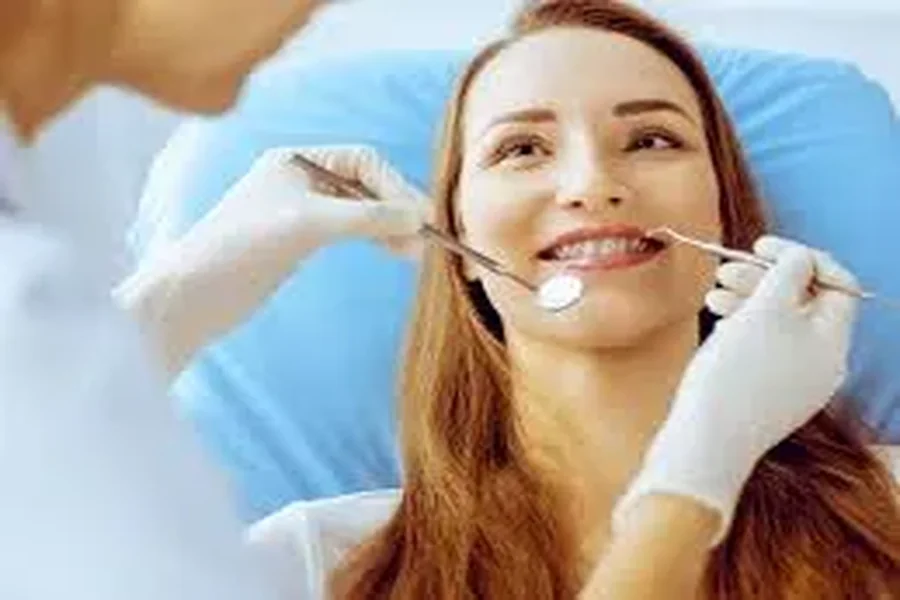
You might think braces are only for kids. Today more adults choose orthodontic treatment than at any time before. You see more clear aligners at work, in the gym, and at school events. You also see fewer people hiding their smiles. Adult orthodontics fits busy lives. Clear options, shorter appointments, and flexible plans remove many old barriers. Many adults never had treatment as children. Others had braces but teeth shifted again. Now you want teeth that look clean and feel strong. You also want a bite that protects your jaw and prevents wear. Modern treatment can guide both. If you search for orthodontics in Zionsville, IN, you will find options that respect your time and budget. You are not alone in this choice. Adult orthodontics reflects a simple truth. You deserve a steady, pain free smile at every age.
Why more adults are choosing treatment now
Adult orthodontics grows each year for three simple reasons. You see better options. You feel stronger pressure to look healthy at work. You understand how teeth affect long term health.
Clear aligners and smaller braces changed how treatment looks. Many adults now feel safe starting care without fear of metal in every photo. Shorter visits and longer gaps between them also help you fit care between work and family needs.
Workplaces now expect steady, clean smiles. Fair or not, people judge you by your teeth. Crooked or worn teeth can send the wrong message about your health or habits. That hurts job chances and daily confidence. Treatment gives you control.
Research also links oral health to other health problems. The National Institute of Dental and Craniofacial Research explains that gum disease is linked to diabetes and heart problems. Crowded teeth are harder to clean. Straighter teeth support healthy gums. Adults see this link and act.
Common adult orthodontic options
Adults usually choose from three main options. Each works for different needs and budgets.
| Treatment type | How it looks | Typical use | Pros | Limits
|
|---|---|---|---|---|
| Metal braces | Visible brackets on front teeth | Simple and complex tooth movement | Strong. Often lowest cost. Works for most cases. | Most visible option. Food can stick. |
| Ceramic braces | Tooth colored brackets on front teeth | Adults who want fixed braces that blend with teeth | Less visible than metal. Always on, so no tray to lose. | Can chip. Often higher cost than metal. |
| Clear aligners | Thin clear trays over teeth | Mild to many moderate problems | Hard to see. Removable for eating and brushing. | Needs steady wear. Not right for every bite. |
Adults often choose aligners for work and social reasons. Still, some bites need fixed braces to move teeth in three directions. An orthodontist explains which choice fits your mouth, not a trend.
Health reasons to straighten teeth as an adult
A straight smile helps more than photos. It also protects your mouth from slow damage.
- Crowded teeth trap food. That raises the risk of cavities and gum disease.
- Gaps and tilted teeth change how you bite. That can chip teeth and wear them down.
- Jaw strain from a poor bite may cause headaches or sore muscles.
The Centers for Disease Control and Prevention reports that untreated oral problems lead to pain and lost work days. You may live with quiet pain for years. Orthodontic care can reduce that stress by spreading bite forces and making cleaning easier.
Why treatment feels easier now than in the past
Memories of old braces keep some adults away. Thick wires. Headgear. Long visits. Modern care looks different.
- Thinner wires use light pressure that often feels easier to handle.
- Digital scans replace many messy molds.
- Clear aligners let you remove trays to eat and brush.
Many offices offer early morning or late-day visits. Some use text reminders and photo check-ins for simple progress checks. That saves you travel and time off work.
Cost, insurance, and payment choices
Money remains a real barrier. Yet adults now see more payment paths. Employer dental plans sometimes cover part of adult orthodontics. Flexible spending and health savings accounts can reduce tax costs.
Many orthodontic offices share payment plans with fixed monthly amounts. Some also separate treatment into stages. That way you can space costs. When you ask about cost, request three things. A clear written estimate. What insurance may cover. What happens if treatment takes longer than planned?
Starting treatment as an adult
Adults often worry that they waited too long. In most cases, that fear is wrong. Teeth move at any age. Gums and bone must be healthy first. A full exam, X-rays, and gum check protect you.
Your first visit usually follows three steps. You share your goals. The orthodontist studies teeth, bite, and jaw movement. You then review one or more treatment paths with time and cost for each. Ask direct questions. How long will this take? How many visits will I need? What happens if I miss a tray or bracket?
How to support your results for life
Orthodontic care does not end when braces come off or trays stop. Teeth can shift again. Retainers protect your results.
- Wear retainers as instructed.
- Keep regular cleanings with your dentist.
- Use fluoride toothpaste and floss every day.
Many adults choose night retainers for long-term use. This simple habit protects the time and money you invest.
Taking the next step
Adult orthodontics grows because it answers real needs. You want a calm smile, clean teeth, and a bite that lasts. Modern tools, flexible plans, and better knowledge of oral health now support that goal. You do not need a perfect past to choose care now. You only need a clear goal and a plan you trust.
