

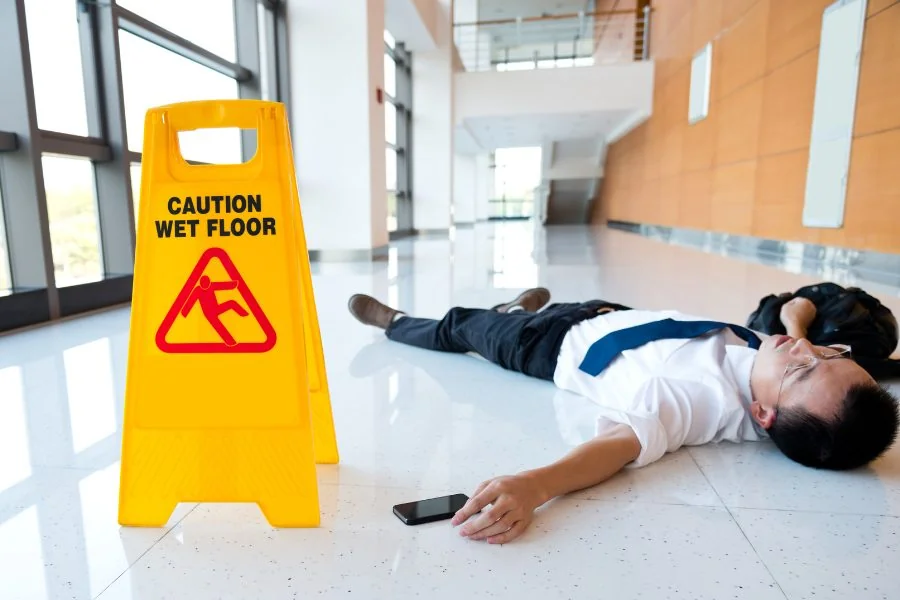
Every year, countless tenants face the jarring experience of slip and fall accidents in apartment buildings. These incidents often lead to unexpected injuries and financial stress. Understanding your rights and responsibilities is crucial for navigating these situations. You need to know how to address hazards and handle incidents effectively. Awareness of common risks, like wet floors or uneven stairs, empowers you to prevent falls. If you experience a fall, take immediate steps to document the scene and report it to your landlord. Seek medical attention promptly, even if injuries seem minor. Additionally, knowing when legal advice is necessary can protect your interests. A Philadelphia slip and fall attorney can provide guidance on your legal options. This knowledge not only supports your recovery but also fosters a safer living environment for everyone. Equip yourself with the right information to handle these incidents with confidence and care.
Common Causes of Slip and Falls
Understanding the underlying causes of slip and falls in apartment buildings helps you stay vigilant. Common culprits include:
- Wet or slippery floors
- Loose or uneven flooring
- Poor lighting in hallways or staircases
- Obstructed walkways
Recognizing these risks allows you to take preventive measures. Simple actions like wiping spills immediately or reporting maintenance issues can make a significant difference.
Steps to Take After a Fall
In the event of a fall, your immediate actions are crucial. Follow these steps to ensure your safety and protect your rights:
- Document the Scene: Take photos of the location. Capture any hazards that contributed to your fall.
- Notify the Landlord: Report the incident promptly. This ensures the issue is on record.
- Seek Medical Attention: Visit a healthcare provider. Even minor injuries can have long-term effects.
- Consult Legal Advice: Consider speaking with a legal professional for guidance.
These measures help establish a clear record and ensure you address any health concerns.
Understanding Legal Responsibilities
Both tenants and landlords have roles in maintaining a safe living environment. Here is a simple comparison of responsibilities:
| Tenant Responsibilities | Landlord Responsibilities |
|---|---|
| Keep personal belongings out of common areas | Maintain common areas and repair hazards |
| Report maintenance issues promptly | Respond to repair requests in a timely manner |
| Follow building safety rules | Ensure proper lighting and signage |
Knowing these responsibilities helps you understand who may be accountable if an incident occurs.
When to Seek Legal Guidance
Not every fall requires legal intervention. However, certain situations do. You should consider consulting a legal professional if:
- Your injuries are severe or lead to significant medical bills.
- The landlord failed to address known hazards.
- There are disputes over liability or compensation.
A personal injury attorney can provide clarity and support during these complex situations.
Preventive Measures
Prevention is key in avoiding slip and fall accidents. Here are three steps you can take:
- Use non-slip mats in areas prone to moisture, like bathrooms.
- Ensure hallways and stairs are well-lit.
- Regularly inspect your living space for potential hazards.
Implementing these measures reduces the risk of accidents for you and your neighbors.
Creating a Safe Community
Safety in apartment buildings is a shared responsibility. Engage with your neighbors and landlords to discuss safety concerns. Organize meetings to address common issues and propose solutions. Building a supportive community strengthens overall safety and enhances everyone’s quality of life.
By understanding your responsibilities and rights, you contribute to a safer living environment. Stay informed and take proactive steps to protect yourself and others from slip and fall incidents.
