

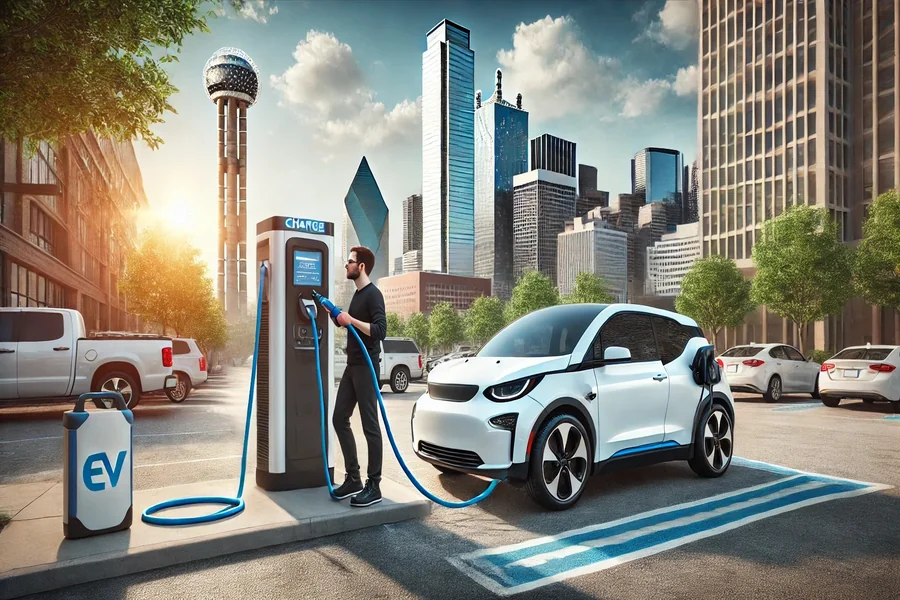
The Rise Of Electric Vehicles In Cities
Cities worldwide are experiencing a significant increase in electric vehicle (EV) adoption due to stricter emissions standards, city-specific congestion charges, and design improvements. This trend is supported by national policies and municipal initiatives to reduce air pollution and greenhouse gas emissions. The EV revolution is a technological transformation and a significant cultural and environmental shift, especially in metropolitan areas. Access to public charging stations is essential for daily urban mobility, as few residents can install home chargers in private garages, making external charging options vital. Understanding how DC fast chargers can fit seamlessly into the urban fabric from experts at https://blinkcharging.com/products/dc-fast-chargers is key for anyone invested in a cleaner, more efficient city. Increasing awareness and access to these charging solutions will be a priority as demand outpaces supply. Private and public stakeholders must work together to build infrastructure that meets the growing needs of EV users. Strategic placement of chargers near workplaces, shopping centers, and transit hubs ensures convenience and promotes usage. As EV technology continues, urban planning must evolve, integrating sustainability and accessibility at every level.
Why Urban Areas Need Fast-Charging Solutions
The realities of urban living mean personal garages with individual chargers are often not an option for most people. Millions reside in high-rise apartments, multifamily buildings, or neighborhoods where curbside parking is the norm. This makes public fast-charging infrastructure a necessity rather than just a nice-to-have convenience. Urban commuters often require charging solutions that fit their fast-paced routines, as slow chargers disrupt the rhythm and flexibility that city life demands.
- Urban drivers typically cover shorter daily distances yet need flexibility for longer trips or unexpected detours.
- Fast chargers reduce queuing at high-traffic charging stations and provide quick turnaround for tasks and errands.
- As public fast charging becomes more ubiquitous, range anxiety—a major deterrent for would-be EV drivers—steadily declines, encouraging higher adoption rates in city centers.
The International Energy Agency has found that publicly accessible rapid charging correlates with increased EV adoption and reduced urban transport emissions. If cities fail to keep up with charging demand, they risk stalling progress toward their climate goals and frustrating a new generation of tech-savvy drivers eager to move away from fossil fuels. An investment in fast-charging infrastructure is an investment in the planet’s future and a city’s reputation for innovation and livability.
How DC Fast Chargers Work
DC fast chargers are fundamentally different from the traditional AC chargers many are familiar with. Instead of relying on the car’s internal converter, DC fast chargers deliver electricity directly to the vehicle’s battery at much higher power levels. While it may take several hours for a Level 2 charger to replenish a battery, DC fast chargers can provide up to an 80% charge in just 20 to 40 minutes, depending on the vehicle model and station rating. This speed is crucial for enabling the quick stops city life often requires—during a grocery run, a meeting, or a break between ride-share shifts. The process is designed for simplicity: most urban stations allow users to start charging with a mobile app or RFID tap and display clear, real-time updates on both the charging unit and the driver’s device. Many stations are strategically placed in mixed-use public spaces so drivers can shop, dine, or relax while their EV recharges. The convenience of rapid charging is helping reshape city logistics, making electric vehicles a viable option not only for private drivers but also for taxi companies, delivery fleets, and public transport systems that depend on maximum uptime.
Key Benefits Of Rapid EV Charging Stations
- Shorter Charging Times: A growing network of rapid chargers means EV owners can successfully integrate charging into their daily lives with little disruption, fueling up during a coffee break or a quick errand instead of dedicating hours to the process.
- Boosts Local Business: Cities that invest in well-situated charging stations often see increased foot traffic in nearby retail and hospitality venues, as drivers use the charging downtime for shopping or dining.
- Reduces Range Anxiety: Widespread fast charging assuages the fear of being stranded with a low battery, a top psychological barrier for many people considering an EV for city life.
- Supports Transit And Commercial Fleets: Urban buses, delivery vans, and ride-share vehicles can incorporate rapid charging into their schedules, minimizing downtime and maximizing productivity.
Research confirms that easy and predictable access to public charging leads to higher EV adoption, which, in turn, drives broader demand for additional charging infrastructure. This positive feedback loop supports thriving local economies, cleaner air, and a more resilient transportation grid.
Integrating Fast Charging Into Urban Infrastructure
The transformation of urban infrastructure to support rapid charging requires thoughtful planning and strong collaboration. To host new charging stations, cities are identifying strategic spots—such as transit hubs, major shopping zones, entertainment districts, and municipal parking lots. These locations are chosen not just for traffic volume but also for their visibility, accessibility, and the opportunities for economic synergy with surrounding businesses.
- Public-Private Partnerships: Many successful deployments result from cooperation between governments, utilities, real estate stakeholders, and technology providers, using shared investments and expertise.
- Equitable Access: Ensuring all neighborhoods—not just affluent or commercial districts—have reliable access to fast charging supports broader adoption and contributes to transit equity.
New housing projects, office buildings, and public spaces are increasingly designed with charging access, ensuring future residents and workers have convenient options from day one. These decisions are laying the groundwork for cities that are resilient, sustainable, and ready for transportation’s electric future.
What Urban Drivers Should Know
For many urban dwellers, public DC fast charging will become a regular part of owning an electric vehicle. Here are practical points that can help users make the most of this new infrastructure:
- Check that your car model is compatible with the local DC fast chargers. Modern vehicles support a variety of connector standards.
- Download the necessary apps for different charging networks ahead of time for easy, contactless fueling and payment.
- Be courteous: move your car promptly when charging is complete to make room for others, and avoid “plugging in” longer than needed, especially in high-demand areas.
- Plan errands and activities around charging stops—many stations are located at shopping centers, cafes, parks, or workplaces, helping you use your time efficiently.
- Use real-time data and map features commonly available on charging apps to find available stations and monitor charging status.
Recharging an EV is less about standing at a pump and more about multitasking—working, relaxing, or socializing while your car charges in the background. This shift fits naturally into the busy, on-the-go lifestyle of city dwellers.
Emerging Trends In Urban Charging Networks
Cities are at the cutting edge of charging innovation, with networks evolving rapidly to keep up with demand and technology. Trends include the development of wireless inductive charging pads embedded in roadways and parking lots, integrating solar panels to lessen charging stations’ carbon footprint, and seamless payment platforms that unify different networks. According to an industry analysis, strategic city planning is key to meeting the future needs of urban EV users.
- Chargers are designed for various transportation modes—cars, scooters, and bikes—supporting more diverse and multimodal urban mobility.
- Improving battery technology reduces charging frequency, but urban networks must still be robust to manage peak demands, especially as new users join the shift to electric.
- User experiences improve as apps and innovative technology allow for more efficient station locating and queue management.
- More stations are now powered by renewable energy sources, amplifying the environmental benefits of going electric.
In the years ahead, expect denser, cleaner, and more interconnected charging infrastructure as cities race to create efficient transport ecosystems that benefit residents and the local environment.
Supporting A Sustainable Urban Future
Rapid EV charging networks are reshaping city life and supporting a holistic sustainability vision. As cities invest in electric infrastructure, cleaner air, quieter streets, and lower transportation costs are all within reach. The ripple effects of widespread DC fast charging extend to public health, urban design, and local economies, creating neighborhoods where people want to live, work, and relax. Each new fast-charging installation demonstrates a city’s commitment to forward-thinking innovation and environmental stewardship. With the thoughtful integration of rapid charging technology, electrified mobility is becoming accessible to all. As demand rises, collaboration across private, public, and utility sectors will be crucial for meeting the evolving needs of cities and the people who call them home.
